
"Cortisol Face": Understanding the Impact of Stress on Your Skin
Stress and the Skin: Understanding "Cortisol Face"
Stress doesn't just affect our mental state: it also leaves its mark on our face, a phenomenon known as "cortisol face." In cases of chronic stress, the body produces an excess of cortisol, a hormone that unbalances the epidermis and can cause various skin problems, ranging from overproduction of sebum to visible inflammation.

Cortisol and Skin: The Stress Hormone at Work
Cortisol is released in response to stress and acts directly on the skin by increasing sebum production and triggering inflammation. This can lead to acne, redness, and a puffy appearance on the face. This swollen look, called "cortisol face," gives the face a rounder, more cherubic appearance, even in people not prone to acne.
"Cortisol Face": A Scientific Reality?
Yes, researchers now confirm that cortisol can alter the appearance of the skin. The effects of this hormone on skin cells are well-documented and show that chronic stress can harm skin health.
How to Limit the Impact of Cortisol on the Skin?
To prevent "cortisol face," adopt soothing and moisturizing skincare, and integrate anti-stress practices into your daily routine. Ingredients like niacinamide, zinc, and soothing botanical extracts can help balance the skin. Good stress management through relaxing activities, such as meditation or yoga, is also essential to regulate cortisol production.
Adopting Good Habits to Limit the Impact of Cortisol:
• Hydration:
Well-hydrated skin is more resistant to stress. Opt for serums rich in hyaluronic acid and moisturizing creams that strengthen the skin barrier.
• Soothing Ingredients:
Products containing aloe vera, niacinamide, or chamomile extracts soothe inflammation related to cortisol.
• Antioxidant Serums:
Antioxidants like vitamin C and vitamin E neutralize free radicals produced by oxidative stress, thus preventing premature aging.
• Relaxation Techniques:
Integrating anti-stress practices like meditation or yoga helps reduce cortisol production. Face massages and relaxing treatments can also improve microcirculation and reduce puffiness.

Anti-Stress Skincare Routine:
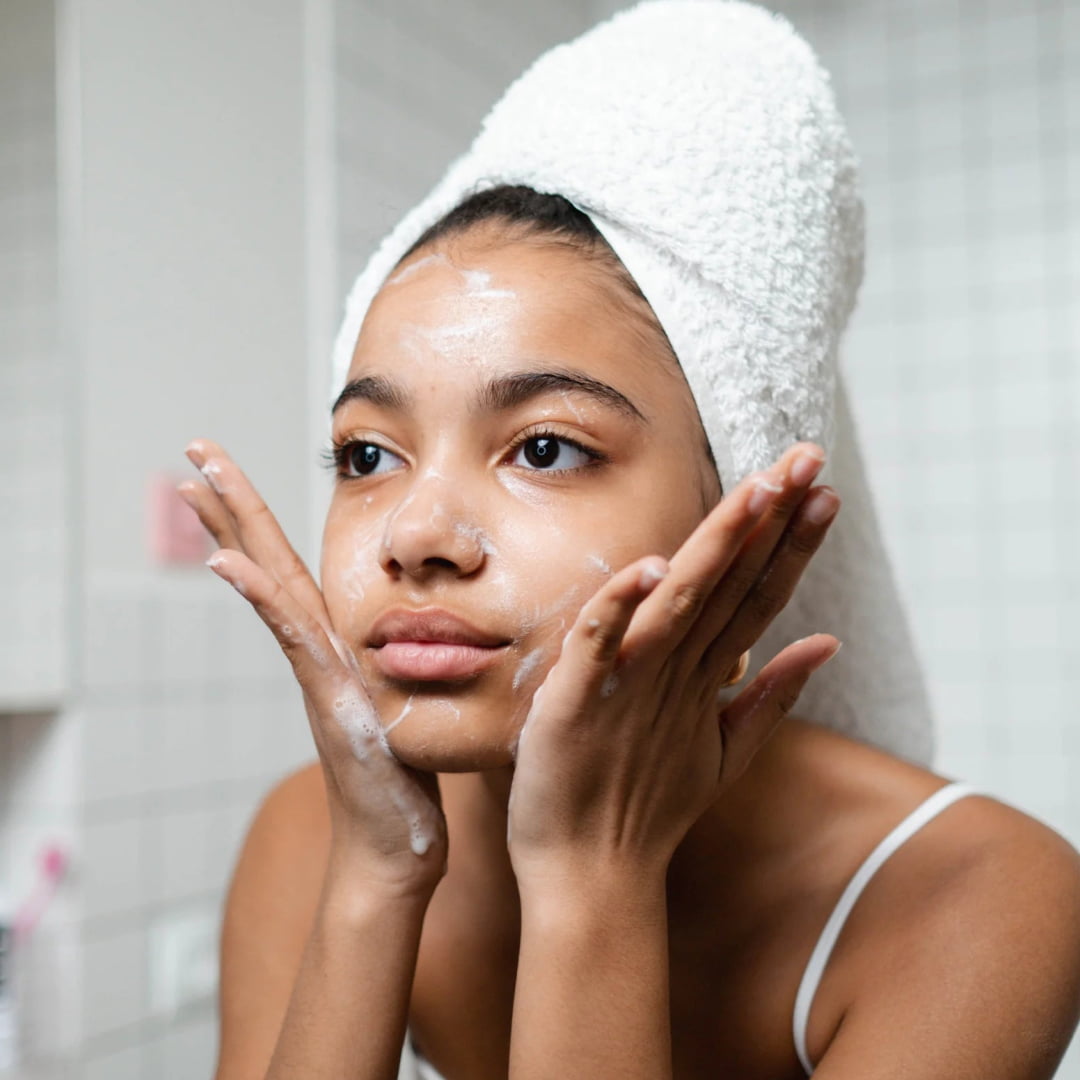
• Gentle cleanser: Use a cleanser that respects the skin barrier to avoid irritation.
• Hydrating serum: Apply a serum based on hyaluronic acid for deep hydration.
• Soothing cream: A moisturizing cream with calming agents will strengthen the protective barrier.
• UV protection: As oxidative stress is amplified by UV rays, use SPF protection to prevent damage.
• Regular sleep: Lack of sleep promotes cortisol production; getting enough rest helps reduce the impact of stress on the skin.
In Conclusion: Taking Care of Your Skin in the Face of Stress
The "cortisol face" is a very real skin symptom of chronic stress, showing how much our hormonal balance affects our skin. Understanding this link between stress and skin health is essential to maintaining a healthy and radiant complexion, even during periods of intense stress. With simple actions, it is possible to minimize its impact and regain healthy, soothed skin.